

Content available exclusively for subscribers
This time of year, after the combine, and with all the pro days going on in March, you hear a lot about forty times, vertical leaps, 20-yard shuttles, and so forth.
And it’s good to get that data, and it all should be a factor, varying in importance by position.
But just as important as all those measurables, for every Jets draft pick this year, are instincts, especially on defense.
They need to load up on eyes, on all levels, with outstanding football intelligence (FB)) great eyes and instincts. Players who have a great feel for playing their positions. Guys who read keys quickly, diagnose fast, and find the football.
There were not enough cats like that on the Jets’ defense last year, starters or backups.
The Jets had too many guys who scouts would describe at “see-and-go” reactors. Meaning they would need to see it happen first, and then get over to make a player, often late after a nice gain.
The Jets need to focus on adding players, on all three levels, who play with great anticipation. Guys with a knack for being in the right place at the right time.
In coverage at linebackers and the secondary, they need guys who process quickly and jump routes. The Jets had no interceptions last year, so the proof is in the pudding; they did not have enough of those guys.
The Jets need to come out of this draft with at least one defensive back and one linebacker who with off-the-charts instincts, and the ability to react quickly to throws, and aren’t late to the scene of the crime, something we saw too often from players in the Jets back seven last year.
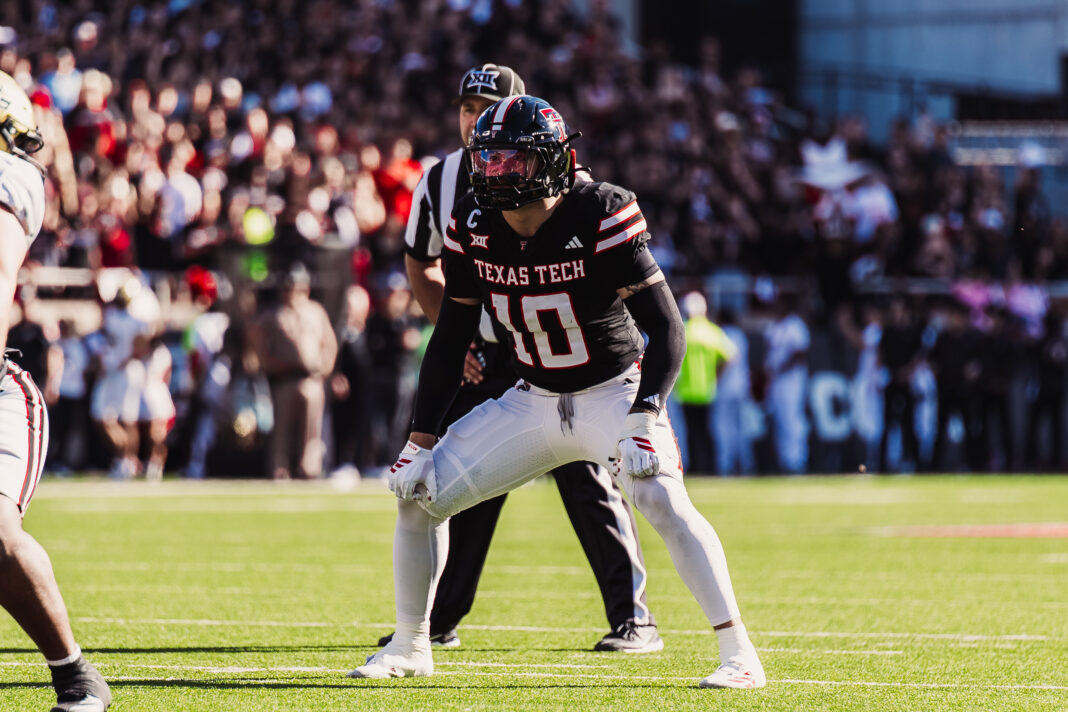
Adding Texas Tech linebacker Malcolm Rodriquez in the second round would make a ton of sense. A former high school QB, who actually went to UVA to be a QB before changing positions, he does a great job reading the QB’s eyes, perhaps, in part to being a former signal-caller himself. But it’s not just that he was a QB, he has a great feel for the game. He could be a perfect partner for Demario Davis at linebacker.
I know it’s a long shot, but the Jets might need to think long and hard about picking Oregon safety Dillon Thieneman at 16.
Now, Aaron Glenn, who is very good at scouting defensive backs, has had success getting safeties after the first round, like when he was involved in the Detroit Lions finding Kelvin Joseph in the third round, and he’s turned into an All-Pro.
But last year, the Jets picked a safety in the fourth round, Malachi Moore, who they rushed into the starting lineup, and perhaps this led to some issues with him being out position too often in coverage. Maybe he will take a big step in Year 2. But waiting on a safety last year didn’t help the Jets in pass coverage.
So maybe Moore becomes that guy moving forward, the Jets would be smart to add a safety with plus coverage instincts in this draft, and Thieneman certainly has those.
Most people assume the Jets will pick an edge-rusher with the second pick overall, perhaps Ohio State’s Arvell Reese or Texas Tech’s David Bailey.
But speaking of instincts, while so much of edge-rushing is just pinning your ears back and getting upfield, instincts are still important there, and NFL.com draft analyst Lance Zierlein had a slight convern with Reese’s instincts at times, with these three bullet points from his write-up on the player.
- Lack of experience shows itself in reaction time when diagnosing.
- Affected by post-snap eye candy and misdirection.
- Inconsistent route awareness in his zone drops.
The Jets brass need to determine whether this stuff is irrelevant to how they are going to use him. Some of this was based on him playing off-the-ball linebacker. So if they intend for him to play on the edge, some of this stuff isn’t as big a deal.
But whether it’s Reese, or any other prospect they are considering, great positional instincts have got to be one of the top considerations with every prospect.
March 24, 2026
Premium will return by 9:30 pm (or sooner) on Wednesday.